
What is a Bark Collar? Complete Guide for Dog Owners

Dogs naturally bark to communicate. They may bark to alert their owners, express excitement, react to strangers, or respond to boredom and anxiety. While barking is normal, excessive barking can become a serious problem for dog owners and neighbors.
This is where a bark collar becomes useful.
If you have ever wondered what a bark collar is, how it works, and whether it is safe for your dog, this complete guide will explain everything in simple terms. You will also learn how an Anti-Bark Dog Collar can help train your dog gently and effectively.
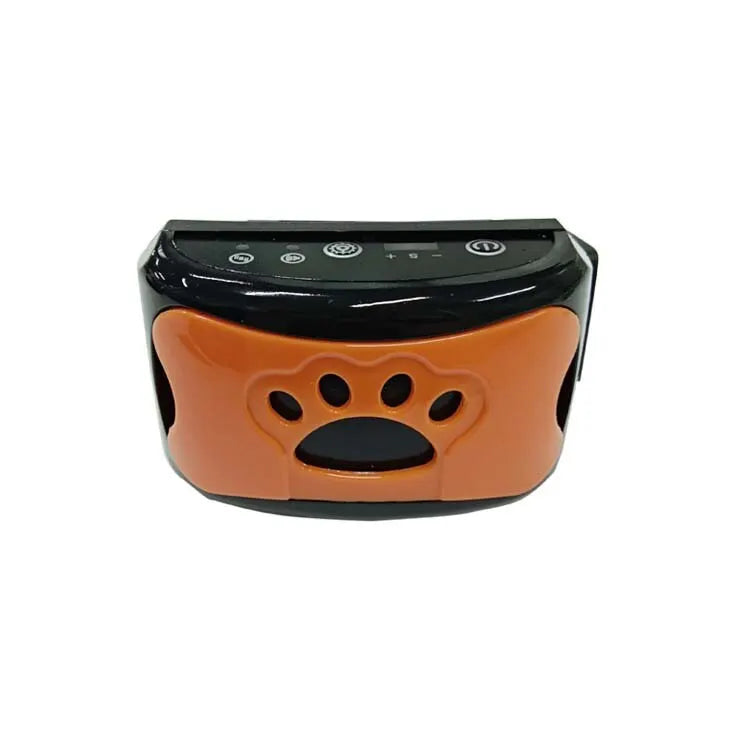
What is a Bark Collar?
A bark collar is a training device designed to reduce or control excessive barking in dogs. It is worn around the dog’s neck like a normal collar and uses built-in sensors to detect barking.
When the collar detects a bark, it automatically gives a mild response such as a sound, vibration, spray, or gentle static stimulation. This response interrupts the barking behavior and helps the dog learn that excessive barking is not desirable.
Over time, dogs begin to associate unnecessary barking with the correction, which encourages quieter behavior.
Many modern devices focus on humane training methods, which is why dog owners often choose a reliable Anti-Bark Dog Collar as part of their training strategy.
Why Do Dogs Bark Excessively?
Understanding the cause of barking is important before using any training tool.
Dogs may bark excessively for several reasons:
Territorial behavior
Dogs naturally protect their home and may bark at strangers, other animals, or unusual sounds.
Boredom or lack of exercise
Dogs with too much energy may bark simply because they need stimulation.
Separation anxiety
Some dogs bark when left alone because they feel stressed or anxious.
Attention seeking
Dogs often bark when they want attention, food, or playtime.
Environmental triggers
Cars passing by, doorbells, or other animals can cause repeated barking.
When barking becomes constant, a training solution like an Anti-Bark Dog Collar can help correct the behavior while you work on addressing the root cause.
How Does a Bark Collar Work?
A bark collar works using sensors that detect vibrations in a dog’s throat when it barks. Some collars also include sound sensors to confirm the bark.
Once barking is detected, the collar activates a response designed to interrupt the behavior.
Most collars follow a simple training process:
- The dog barks.
- The collar detects the bark.
- A correction such as vibration or sound is triggered.
- The dog pauses barking.
- Over time, the dog learns to avoid unnecessary barking.
Modern bark collars are designed with safety sensors and adjustable sensitivity levels to ensure the correction is appropriate for different dog sizes and temperaments.
Types of Bark Collars
Not all bark collars work the same way. Different types offer different training methods, allowing dog owners to choose what suits their pet best.
Vibration Bark Collars
Vibration collars respond to barking by sending a gentle vibration through the collar. This surprises the dog and interrupts the barking without causing discomfort.
Many pet owners prefer vibration collars because they are non-shock and humane.
An advanced Anti-Bark Dog Collar often includes adjustable vibration levels to match your dog’s sensitivity.
Sound or Beep Collars
These collars emit a beep or ultrasonic sound when barking is detected. The sound distracts the dog and discourages further barking.
This type works well for dogs that respond quickly to noise-based training.
Spray Bark Collars
Spray collars release a small burst of citronella or unscented spray near the dog’s nose when barking occurs. Dogs usually dislike the scent, which discourages them from barking again.
Spray collars are often used as an alternative to static correction.
Static Bark Collars
Static collars deliver a mild electrical stimulation when barking is detected. The stimulation is not intended to hurt the dog but to interrupt the barking behavior.
However, many modern training solutions focus on vibration-based systems, which is why dog owners often prefer a gentle Anti-Bark Dog Collar instead.
Bark Collar vs Shock Collar
Many dog owners confuse bark collars with shock collars, but they are not the same.
A bark collar automatically activates when barking is detected. It is specifically designed to reduce excessive barking.
A shock collar, often called a remote training collar, is controlled by the owner using a remote device. It is used for broader training commands such as recall or obedience.
The key difference is automation vs manual control.
Most modern bark collars prioritize humane corrections like sound or vibration rather than shock.
Are Bark Collars Safe for Dogs?
When used properly, bark collars can be safe and effective training tools.
However, proper use is important. Dog owners should always choose high-quality devices designed with safety features.
Key safety tips include:
- Use adjustable sensitivity levels
- Ensure the collar fits properly
- Avoid leaving the collar on all day
- Monitor your dog during early training
A well-designed Anti-Bark Dog Collar typically includes smart bark detection technology that prevents false triggers from other dogs or background noise.
This helps make the training process safer and more effective.
How Long Does It Take for a Bark Collar to Work?
The training timeline varies depending on the dog’s temperament, age, and barking habits.
Some dogs respond within a few days, while others may take a few weeks to adjust.
Consistency is the most important factor. Dogs need time to understand the connection between barking and the collar’s response.
Many dog owners notice improvements within the first 7 to 14 days when using a reliable Anti-Bark Dog Collar as part of a consistent training routine.
When Should You Use a Bark Collar?
Bark collars are most useful when barking becomes excessive and other training methods have not worked.
They can be helpful in situations such as:
- Constant barking when left alone
- Barking at neighbors or passersby
- Nighttime barking
- Attention-seeking barking
However, they should not replace proper training, exercise, and mental stimulation.
A bark collar works best as a training aid, not as the only solution.
Choosing the Right Bark Collar for Your Dog
Every dog is different, so choosing the right collar requires considering several factors.
Important things to look for include:
Dog size and breed
Some collars are designed specifically for small, medium, or large dogs.
Sensitivity adjustment
This ensures the collar only activates when your dog barks.
Training modes
Many modern collars combine beep, vibration, and other modes.
Battery life and durability
Rechargeable collars with waterproof designs are usually more convenient.
A high-quality Anti-Bark Dog Collar should provide adjustable training levels so it can adapt to your dog’s behavior without causing stress.
Tips for Training Your Dog with a Bark Collar
Using a bark collar correctly makes a huge difference in training success.
Start by introducing the collar gradually so your dog becomes comfortable wearing it.
During the first few days, observe your dog’s reaction and ensure the sensitivity level is appropriate.
It’s also important to combine the collar with positive reinforcement. Reward your dog when it remains calm and quiet.
This helps your dog understand the desired behavior rather than simply reacting to the correction.
Common Mistakes Dog Owners Make
Some dog owners expect immediate results or misuse bark collars, which can slow down the training process.
Common mistakes include:
- Leaving the collar on for too long
- Using the wrong sensitivity level
- Ignoring the cause of barking
- Not combining training with exercise and attention
Remember that a bark collar is a training tool, not a permanent fix.
Final Thoughts
So, what is a bark collar?
A bark collar is a training device designed to help dog owners manage excessive barking by automatically responding when barking occurs. It interrupts the behavior and teaches the dog to remain calm and quiet.
When used correctly, bark collars can be a helpful addition to a dog training routine. They are especially effective when combined with proper exercise, attention, and positive reinforcement.
Many dog owners today prefer humane solutions such as a Anti-Bark Dog Collar, which focuses on gentle corrections like vibration or sound instead of harsh stimulation.
With the right approach, patience, and the proper training tools, you can help your dog develop better behavior while maintaining a happy and healthy relationship with your pet.
FAQ: What is a Bark Collar?
Do vets recommend bark collars?
Some veterinarians recommend bark collars as a training aid for excessive barking, especially when other training methods have not worked. However, they usually suggest humane options such as vibration or sound-based collars.
What does a bark collar do to a dog?
A bark collar detects barking and delivers a correction such as vibration, sound, spray, or mild stimulation. This interrupts the barking and helps the dog learn to reduce unnecessary barking.
Can bark collars hurt dogs?
When used correctly and chosen carefully, modern bark collars are designed to be safe and humane. Many dog owners prefer vibration-based collars because they avoid static correction.
At what age can a dog use a bark collar?
Most trainers recommend using bark collars only for dogs older than six months, once they are mature enough to understand training signals.
Can bark collars stop barking completely?
Bark collars usually reduce excessive barking rather than eliminate barking completely. Dogs will still bark naturally when necessary, such as alerting their owners to danger.


