
Can You Put Gas in a Water Bottle? Here's What You Need to Know

Short answer: No — and the reasons are more serious than most people realize. Here's a full breakdown of the risks and what to do instead.
It might seem like a quick fix. You're at the gas station, your car just ran dry a mile up the road, and you have an empty water bottle in the back seat. Can you put gas in a water bottle just this once to get yourself going again?
The answer is a firm no — and this isn't just a technicality. Storing gasoline in a water bottle is genuinely dangerous, and in some places it's also illegal. Let's walk through exactly why this is such a bad idea, what happens when you try it, and what the safe alternatives look like.
Can You Put Gas in a Water Bottle?
Technically, you can pour gasoline into a plastic water bottle. The liquid will go in. But "can you" and "should you" are very different questions here.
A typical plastic water bottle is made from PET (polyethylene terephthalate). This material was designed to hold water, juice, or carbonated drinks — not petroleum-based fuels. Gasoline is an aggressive solvent. It begins breaking down the plastic almost immediately, and the consequences of that breakdown are both chemical and physical.
If you've ever wondered about the actual volume these bottles hold, here's a look at how many ml are in a standard water bottle — a useful reference for understanding why even a small amount of fuel in the wrong container creates an outsized risk.
Why It Is Dangerous
There are three overlapping dangers when gasoline meets a plastic water bottle: fire risk, chemical contamination, and container failure. Each one is serious on its own. Together, they make it a genuinely hazardous situation.
Gasoline is highly flammable. It has a flash point of around -45°F (-43°C), which means its vapors ignite at almost any temperature you'd encounter in real life. A water bottle offers no vapor seal. Fumes escape into the air around you — in your car, your home, or your bag — and any nearby spark, cigarette, or heat source becomes a potential ignition point.
Gasoline vapors are heavier than air and accumulate at ground level. A small leak in a closed vehicle or home can build up to explosive concentrations without you noticing until it's too late.
Plastic Reaction & Chemical Breakdown
Here's what most people don't think about: gasoline doesn't just sit in plastic — it actively attacks it. Gasoline is a mixture of hydrocarbons, and those hydrocarbons dissolve the polymer chains in PET plastic over time.
What does that look like in practice? The bottle becomes soft, warped, and brittle. The seams weaken. The cap may no longer seal properly. And perhaps most importantly, the chemical compounds from the plastic leach into the fuel itself. You end up with a contaminated fuel mixture that can damage your engine, clog fuel injectors, and introduce foreign compounds into your vehicle.
This is a completely different situation from, say, an edible water bottle made from food-safe gels, which are designed specifically for human contact. Fuel containers have to meet an entirely different set of chemical resistance standards.
Fire & Explosion Risks
Let's be direct about this: a gasoline-filled water bottle in a warm car is a fire hazard. Dashboards and car interiors regularly reach temperatures of 130°F or more on a sunny day. As the temperature rises, gasoline expands and produces more vapor. If the bottle has any structural weakness — and it will, because the plastic is already being degraded — a leak becomes likely.
One small spill on a hot surface, near a spark, or close to the catalytic converter of a running engine can ignite instantly. Fires involving gasoline spread fast and are difficult to control.
Even carrying an open or loosely capped water bottle of gasoline while walking creates risk. Static electricity from your clothing or the ground is sometimes enough to ignite concentrated vapors.
In many jurisdictions, transporting fuel in unapproved containers is illegal and can result in fines. Emergency services and roadside assistance organizations specifically caution against improvised fuel containers.
Safe Fuel Storage Methods
The good news is that the safe alternative is inexpensive and widely available. An approved fuel container — sometimes called a jerry can or gas can — is purpose-built to handle the chemical properties of gasoline.
- Use only containers certified to ANSI/ASTM F852 or equivalent fuel-safe standards
- Look for containers with a child-resistant cap and flame arrestor
- Store fuel containers in cool, ventilated spaces away from living areas
- Never fill a container more than 95% full — fuel needs expansion room
- Label your container clearly and keep it out of vehicles unless it's secured properly
- Use fuel within 30 days or add a fuel stabilizer if storing longer
Metal containers (like military-style jerry cans) are generally considered the gold standard for gasoline storage because they resist solvent breakdown and reduce vapor buildup risks. For smaller amounts, a 1- or 2-gallon HDPE-approved plastic fuel can from any hardware store works well.
If you're frequently on the road in remote areas, keeping a small approved fuel container in your trunk is smart preparation. Pair it with an emergency kit, and you'll never be tempted by improvised solutions.
What Happens If You Already Did It
If you've already put a small amount of gas into a water bottle, here's what to do:
First, don't panic, but do act carefully. Place the bottle in an open-air location away from any ignition sources — not inside your home, garage, or vehicle. Keep it away from children and pets.
Contact your local hazardous waste disposal facility. Gasoline, even a small amount in a damaged container, is classified as hazardous waste in most areas. Many municipalities offer free drop-off days for this type of material. Don't pour it down the drain, into soil, or into your regular trash — that creates environmental and legal problems.
If any fuel spilled inside your car, ventilate the vehicle immediately by opening all doors and windows. If the smell is strong or you feel lightheaded, step away from the vehicle and get fresh air. Gasoline fumes displace oxygen and can cause dizziness or nausea quickly in an enclosed space.
Safety Tips for Home Storage
Whether you're storing fuel for a lawn mower, generator, or emergency preparedness kit, the same basic rules apply:
Store fuel only in approved, labeled containers. Keep them in a detached garage or shed — never inside your home or close to a water heater, furnace, or anything with a pilot light. Even small leaks in a storage room can allow vapors to travel to ignition sources far away from the container itself.
It's also worth understanding how different types of water bottles are designed and what they're engineered to handle. For example, how a hydrogen water bottle works shows just how specialized bottle engineering can get — hydrogen water bottles use electrolysis chambers and specific materials carefully chosen for that application. Fuel storage requires that same level of intentional design, which a standard PET bottle simply doesn't have.
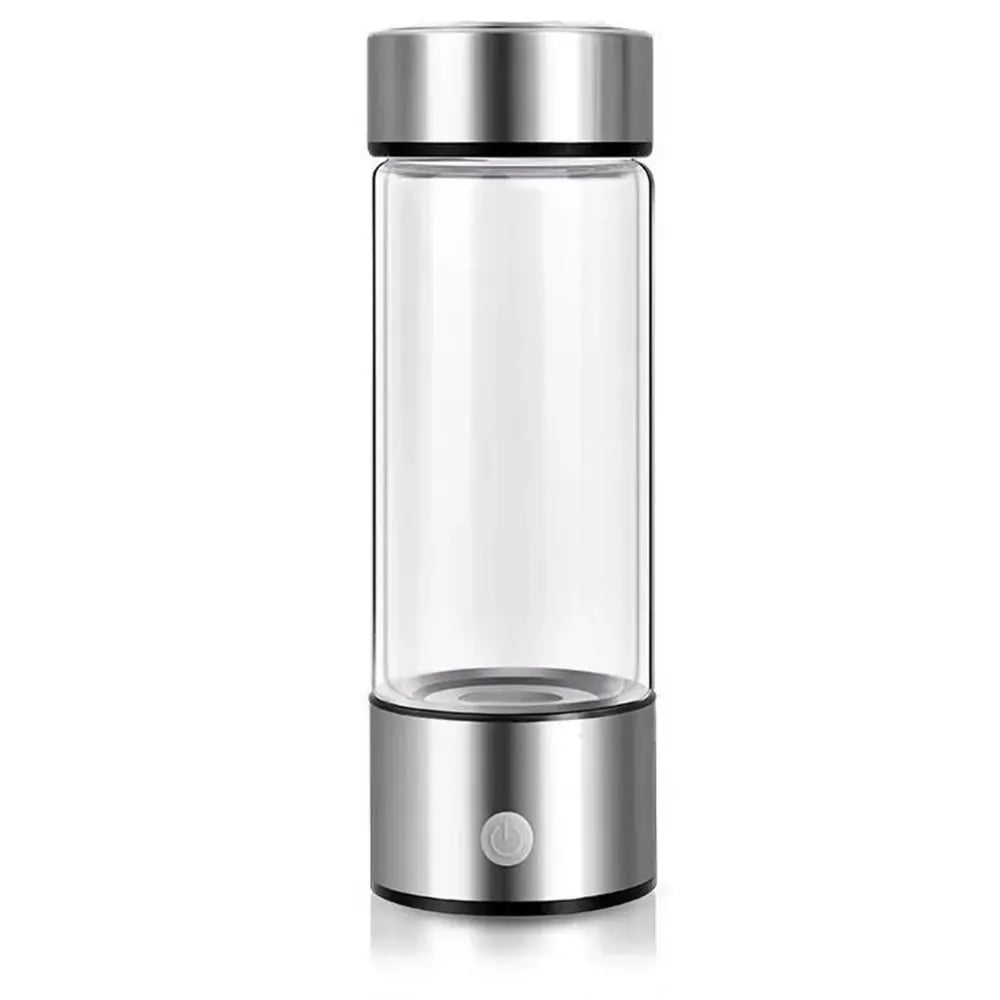
Speaking of purpose-built bottles — if you're exploring healthier hydration options, it's worth reading about what makes the best hydrogen water bottle for daily use. The engineering that goes into a quality water bottle is a reminder that containers are only safe when they're matched to what they're meant to hold.
Final Verdict
So, can you put gas in a water bottle? Physically, yes. Safely, absolutely not. The plastic breaks down, vapors escape, fire risk increases, and the fuel itself gets contaminated. There's no scenario where a standard water bottle is an acceptable fuel container — not even in an emergency.
A small, approved fuel container costs less than $10 at most hardware stores and could genuinely save your life. That's a trade worth making. If you've been tempted by the convenience of an improvised solution, now you know exactly why it's not worth the risk.
When it comes to containers, the right tool for the right job isn't just good advice — it's the difference between a minor inconvenience and a serious accident.
Frequently Asked Questions

