
What Is a Cat Cave Bed? The Complete Guide Every Cat Owner Should Read

If you've recently started shopping for a new bed for your feline companion, you've probably come across something called a cat cave bed. Unlike traditional pet beds, these cozy hideaways are designed to mimic the enclosed spaces that many cats naturally seek for rest, warmth, and security. But what exactly is a cat cave bed, and why do so many cats seem to love them?
The short answer is simple: a cat cave bed is an enclosed or semi-enclosed sleeping bed that provides cats with a private, comfortable space where they can relax, nap, and feel protected. While it may look like a stylish pet accessory to humans, to a cat it often feels like a safe den—a place where instinct tells them they can truly let their guard down.
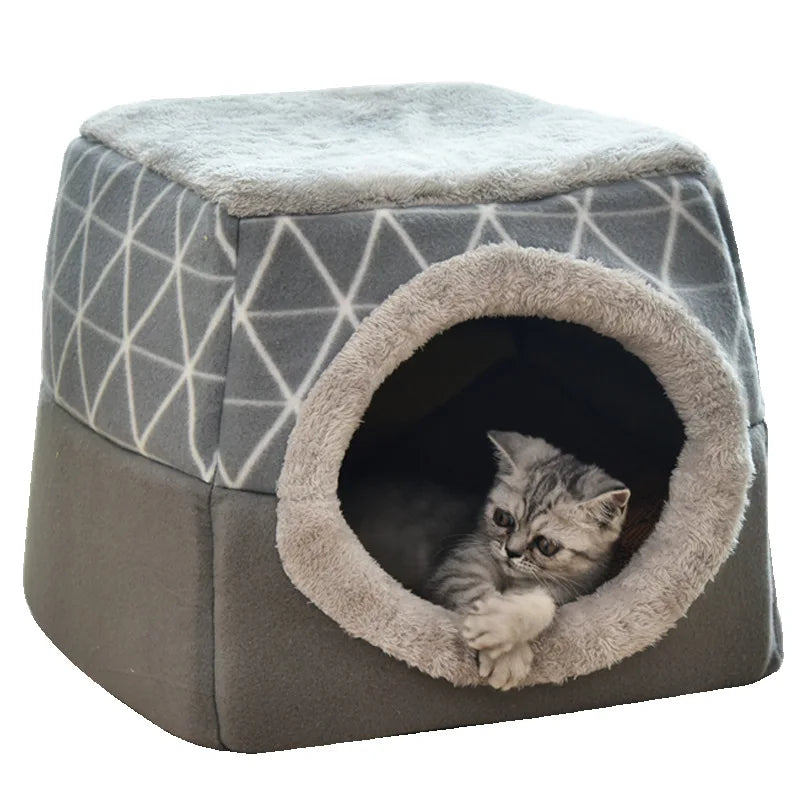
Whether you have a playful kitten, a shy rescue, or a senior cat that spends most of the day sleeping, understanding how cat cave beds work can help you create a more comfortable environment for your furry friend.
In this comprehensive guide, we'll explore everything you need to know—from feline behavior and the science behind enclosed sleeping spaces to choosing the perfect cat cave bed for your home.
What Is a Cat Cave Bed?
A cat cave bed is a specially designed pet bed with an enclosed or partially enclosed structure that allows a cat to curl up inside while remaining protected from its surroundings. Unlike flat cushions or open beds, cat cave beds create a small, sheltered environment that closely resembles the hidden resting places cats naturally seek.
Most cat cave beds feature a rounded dome, igloo, pod, or cocoon-like shape with a single entrance large enough for a cat to enter and exit comfortably. Inside, the sleeping area is usually lined with soft materials such as felt, plush fabric, wool, fleece, or memory foam to provide warmth and support.
Some designs are fully enclosed, while others have flexible tops that can be folded down to create an open bed. This versatility allows owners to adapt the bed to their cat's sleeping preferences.
Although modern cat cave beds are beautifully designed to complement home décor, their purpose goes far beyond aesthetics. They are built around one simple principle: helping cats feel safe.
More Than Just Another Cat Bed
At first glance, a cat cave bed might seem like another trendy pet product. However, its design is rooted in natural feline behavior.
Cats instinctively seek small, quiet places where they can observe their surroundings without feeling exposed. If you've ever found your cat sleeping inside a cardboard box, under a blanket, inside a laundry basket, or even in an empty suitcase, you've already seen this instinct in action.
A cat cave bed simply offers a cleaner, safer, and more comfortable version of these hiding places.
Instead of climbing into random household spaces, your cat has a dedicated retreat designed specifically for rest and relaxation.
The Evolution of Cat Cave Beds
Pet furniture has evolved dramatically over the last decade. Traditional pet beds were often little more than soft cushions placed on the floor. While comfortable, they didn't always satisfy a cat's natural desire for privacy.
As researchers and pet owners gained a better understanding of feline behavior, manufacturers began designing beds that reflected how cats actually sleep in nature.
Today's cat cave beds combine:
- Cozy sleeping surfaces
- Enclosed shelter
- Soft insulating materials
- Modern home-friendly designs
- Durable construction
- Easy maintenance
This combination has made them increasingly popular among indoor cat owners who want to provide both comfort and enrichment.
Why Do Cats Naturally Love Enclosed Spaces?
To understand why cat cave beds are so successful, it helps to understand cats themselves.
Domestic cats may live comfortably in our homes, but many of their instincts remain remarkably similar to those of their wild ancestors.
Even after thousands of years of domestication, cats continue to value safety, warmth, and strategic resting locations.
A Safe Place to Rest
When a cat sleeps, it becomes more vulnerable. Although indoor cats don't face predators in the same way wild cats do, their instincts haven't disappeared.
An enclosed sleeping space provides a sense of protection from behind and above, allowing the cat to relax more deeply.
Instead of constantly monitoring every direction, the cat only needs to watch a single entrance.
That simple design can help many cats feel noticeably more secure.
Cats Are Both Predators and Prey
One of the most fascinating aspects of feline behavior is that cats evolved as both hunters and potential prey.
They are skilled predators capable of stalking birds, rodents, and insects. At the same time, larger animals have historically posed threats to cats in the wild.
This dual role shaped how cats choose sleeping locations.
Rather than resting in open areas, they naturally prefer places that offer:
- Protection
- Concealment
- Warmth
- A clear escape route
- A good view of the surroundings
A well-designed cat cave bed checks all of these boxes.
Warmth Is a Priority
Cats generally prefer warmer sleeping temperatures than humans.
Their normal body temperature ranges between 100.5°F and 102.5°F (38.1–39.2°C), and they naturally seek cozy environments that help conserve body heat.
An enclosed bed traps warmth more effectively than an open cushion, creating a comfortable microenvironment where many cats feel especially relaxed.
This is one reason you'll often find cats sleeping in sunny windows, under blankets, or near heating vents.
Why Indoor Cats Especially Benefit
Indoor cats spend much of their lives inside the same environment.
Without opportunities to climb trees, explore bushes, or find natural hiding places, they rely on their home to meet both their physical and emotional needs.
A cat cave bed can become one of the most valuable pieces of environmental enrichment in the house.
Instead of viewing it as simply another sleeping spot, many cats treat it as:
- Their personal territory
- A quiet retreat
- A stress-free hiding place
- A comfortable observation point
- A predictable safe zone
For households with children, multiple pets, or frequent visitors, having a dedicated hiding place can help sensitive cats feel much more at ease.
Privacy Helps Cats Recharge
Unlike dogs, cats often enjoy periods of solitude.
After playtime, social interaction, or exploring the home, many cats seek a private location where they can sleep uninterrupted.
A cat cave bed provides exactly that.
Because the entrance is partially enclosed, outside activity becomes less distracting, allowing the cat to enjoy deeper, longer naps.
This is particularly beneficial in busy households where constant movement can make open sleeping areas feel less peaceful.
Is Every Cat the Same?
One important thing to remember is that every cat has its own personality.
Some cats immediately crawl into a cave bed the moment it's placed on the floor.
Others may spend several days—or even weeks—carefully inspecting it before deciding it's safe.
That's perfectly normal.
Just as humans have different preferences for mattresses or pillows, cats also develop favorite sleeping spots based on their personalities, experiences, and comfort levels.
The goal isn't to force your cat to use a cave bed but to provide an inviting option that aligns with its natural instincts.
Choosing a Quality Cat Cave Bed Matters
Not all cat cave beds are created equal.
The best designs balance comfort, durability, ventilation, and enough interior space for a cat to curl up naturally without feeling cramped.
If you're looking for a thoughtfully designed option, our Cat Cave Bed for Indoor Cats combines a cozy enclosed design with soft materials that help create a secure resting space while complementing modern home décor.
Choosing a well-made bed from the beginning can make a noticeable difference in your cat's comfort and how long the bed lasts.
The Science Behind Why Cats Love Cat Cave Beds
If you've ever watched your cat squeeze into a cardboard box that's barely big enough or curl up inside a laundry basket instead of the expensive bed you bought, you're not alone. This behavior isn't random—it's deeply rooted in feline instincts that have been shaped over thousands of years.
Although today's house cats enjoy comfortable lives indoors, they still retain many of the survival behaviors of their wild ancestors. One of the strongest of these instincts is the desire to find secure, enclosed places for rest.
Understanding this natural behavior helps explain why cat cave beds are often such a success.
The Psychology of an Enclosed Sleeping Space
Cats spend a significant portion of their lives sleeping. On average, an adult cat sleeps between 12 and 16 hours a day, while kittens and senior cats may sleep even longer.
During sleep, a cat becomes less aware of its surroundings and more vulnerable. Because of this, cats instinctively choose locations where they feel protected.
A cat cave bed creates an environment that satisfies several psychological needs at once:
- Protection from above and behind
- A quiet place away from household activity
- A warm, insulated resting area
- A single entrance that's easy to monitor
- A private space where they won't be disturbed
This combination helps many cats settle more quickly and sleep more soundly.
Security Is More Important Than Comfort Alone
Many people assume cats choose beds based only on softness, but security often plays an even bigger role.
Imagine being asked to sleep in the middle of a busy room with people constantly walking past you. Even with a comfortable mattress, it might be difficult to relax.
Cats experience something similar.
An enclosed bed reduces visual stimulation and creates clear boundaries, making the space feel safer. Once a cat feels secure, it's much more likely to enter a deep, restorative sleep.
That's why some cats prefer a simple cardboard box over an expensive open pet bed.
The feeling of protection often outweighs the luxury of the materials.
Why Small Spaces Feel Comfortable
One behavior that surprises many cat owners is how eagerly cats fit themselves into surprisingly tight spaces.
Whether it's a shipping box, a shopping bag, or an empty drawer, cats often choose places that seem far too small.
There are several reasons for this:
- Small spaces conserve body heat.
- The walls provide physical support.
- Fewer directions need monitoring.
- The cat feels hidden from potential danger.
- The environment becomes calmer and quieter.
A properly sized cat cave bed recreates these conditions without sacrificing comfort.
Cat Cave Beds and Stress Reduction
Stress affects cats differently than it affects people.
Changes such as moving to a new home, introducing another pet, loud noises, visitors, or even rearranging furniture can temporarily increase anxiety.
One of the first things many cats do when stressed is look for a hiding place.
Providing a dedicated cat cave bed gives your pet a familiar retreat whenever life becomes overwhelming.
Rather than hiding under the bed or disappearing into a closet, your cat has a comfortable space that's always available.
Over time, this consistency can help build confidence and reduce stress-related behaviors.
A Safe Territory They Can Call Their Own
Cats are naturally territorial animals.
Even in loving homes, they appreciate having a place that belongs exclusively to them.
A cat cave bed often becomes more than a sleeping spot—it becomes part of the cat's personal territory.
Many owners notice that once their cat accepts the cave bed, it becomes their preferred location for:
- Afternoon naps
- Grooming
- Quiet observation
- Relaxing after playtime
- Escaping household commotion
Giving your cat a predictable safe zone can contribute to a happier and more relaxed daily routine.
The Benefits of a Cat Cave Bed
While every cat has individual preferences, cave-style beds offer several advantages that make them a popular choice for indoor cats.
1. Better Sleep Quality
Cats sleep best when they feel completely secure.
Because a cat cave bed surrounds part of the body, many cats feel protected enough to relax more deeply than they might in an open bed.
Better rest supports your cat's overall well-being and energy levels.
2. Increased Warmth
Enclosed beds naturally retain warmth.
Instead of allowing heat to escape in every direction, the walls of the cave help trap body heat, creating a cozy environment.
This is especially beneficial during colder months or in homes with strong air conditioning.
Short-haired cats, hairless breeds, kittens, and senior cats often appreciate the extra warmth.
3. Reduced Anxiety
A quiet hiding place can help cats cope with temporary stress.
While a cave bed isn't a treatment for anxiety, it can provide a calming environment where many cats feel more comfortable during unfamiliar situations.
For example, your cat may choose its cave bed during:
- Thunderstorms
- Fireworks
- House guests
- Home renovations
- Loud family gatherings
Having a familiar retreat allows the cat to feel more in control of its surroundings.
4. Privacy Without Isolation
Cats enjoy social interaction, but they also value personal space.
A cave bed gives them the option to step away from activity without leaving the room entirely.
This balance is particularly useful in busy households with children or multiple pets.
The cat can still observe what's happening while enjoying a sense of privacy.
5. Encourages Healthy Resting Habits
Without a designated resting area, cats often claim furniture, laundry piles, closets, or kitchen chairs as favorite sleeping spots.
A comfortable cat cave bed encourages your cat to return to the same cozy location repeatedly, helping establish a consistent sleeping routine.
Many owners also appreciate having fewer surprise naps on freshly folded clothes!
6. Supports Indoor Enrichment
Indoor cats rely on their environment for both physical and mental stimulation.
While toys, climbing trees, and scratching posts provide opportunities for activity, a cave bed fulfills another important need—a secure place to rest.
A well-balanced environment includes both play and relaxation.
Together, these elements help support a cat's natural daily rhythm of hunting, exploring, grooming, and sleeping.
Are Cat Cave Beds Good for Cats?
For many cats, the answer is yes.
A quality cat cave bed offers comfort, warmth, and a sense of security that aligns with natural feline behavior.
However, no single bed is perfect for every cat.
Some cats immediately fall in love with enclosed beds, while others prefer open cushions where they can stretch out fully.
The key is understanding your individual cat's personality and sleeping habits.
When a Cat Cave Bed Is an Excellent Choice
A cave bed is often ideal for cats that:
- Like sleeping under blankets
- Hide inside boxes
- Curl into tight balls while sleeping
- Enjoy quiet spaces
- Prefer warmth
- Live indoors
- Need a peaceful retreat from busy households
These behaviors suggest your cat may naturally enjoy the enclosed design.
When Another Bed May Be Better
Some cats have different preferences.
An open bed may be a better choice if your cat:
- Sleeps fully stretched out
- Frequently changes sleeping positions
- Gets warm easily
- Prefers elevated window perches
- Rarely hides in enclosed spaces
Many households actually offer both styles, allowing the cat to choose based on mood and temperature.
Common Misconceptions About Cat Cave Beds
There are a few myths that sometimes discourage owners from trying a cave bed.
Myth: Cats Feel Trapped Inside
Fact: A properly designed cave bed has a wide, accessible entrance that allows cats to come and go whenever they choose. They remain in control at all times.
Myth: Only Shy Cats Like Cave Beds
Fact: While timid cats often enjoy enclosed spaces, confident and playful cats can also love cave beds simply because they're warm and comfortable.
Myth: Bigger Is Always Better
Fact: A cave that's too large may actually feel less secure. Most cats prefer a bed that's roomy enough to turn around in but cozy enough to provide a snug, den-like feeling.
Expert Tip
When introducing any new bed, place it in one of your cat's favorite resting areas rather than in a completely unfamiliar location. Familiar scents and surroundings increase the likelihood that your cat will investigate and eventually adopt the new bed.
Which Cats Benefit Most from a Cat Cave Bed?
While many cats enjoy the comfort of an enclosed bed, some benefit even more than others. A cat's age, personality, health, breed, and daily environment all influence the type of sleeping space they prefer.
Let's explore which cats are most likely to fall in love with a cat cave bed.
1. Indoor Cats
Indoor cats often spend their entire lives within the same environment. Although they are protected from outdoor dangers, they don't have access to natural hiding spots like bushes, tree hollows, or sheltered rock formations.
A cat cave bed recreates the feeling of these safe, enclosed spaces indoors.
For indoor cats, it can become:
- A personal retreat
- A quiet place away from household activity
- A cozy nap spot
- A secure observation point
Because indoor cats sleep many hours each day, having a dedicated resting area contributes to a more enriching home environment.
2. Kittens
Young kittens spend much of their day sleeping as they grow and develop.
A cave bed offers several advantages for kittens:
- Extra warmth
- Soft support for growing bodies
- A sense of security in unfamiliar surroundings
- A comforting place after energetic play sessions
For kittens adjusting to a new home, a cave bed may also help them feel more settled during the transition.
3. Senior Cats
As cats age, their sleeping habits often change. Older cats typically spend more time resting and may become more sensitive to cold temperatures.
Many senior cats appreciate:
- Soft cushioning
- Better insulation
- Reduced drafts
- Comfortable support for aging joints
An enclosed bed can provide a warm, peaceful environment where older cats can rest comfortably throughout the day.
4. Shy or Timid Cats
Some cats are naturally cautious.
They may hide when visitors arrive, retreat during loud noises, or take longer to adjust to changes in the home.
For these cats, a cave bed offers more than comfort—it provides reassurance.
Having a reliable hiding place can help timid cats feel more confident because they always know there's a safe place available when they need a break.
5. Rescue Cats
Cats adopted from shelters or rescue organizations sometimes need extra time to adjust to new surroundings.
Everything—from unfamiliar scents to new routines—can feel overwhelming during the first few weeks.
A cat cave bed creates a predictable, comforting space where they can relax while gradually building trust with their new family.
Although every rescue cat is unique, many appreciate having a quiet retreat during the adjustment period.
6. Hairless and Short-Haired Breeds
Cats with very short coats—or no coat at all—often seek warmer sleeping environments.
Without thick fur for insulation, they may naturally gravitate toward:
- Heated blankets
- Sunny windows
- Warm laundry
- Soft enclosed beds
A cat cave bed helps retain body heat, making it an appealing option for breeds that prefer warmer resting spots.
7. Cats Living in Busy Households
Homes with children, multiple pets, or frequent visitors can sometimes become overwhelming for cats.
Even friendly, social cats benefit from having a quiet area where they can rest undisturbed.
A cave bed offers that balance.
Your cat can remain part of the household while still enjoying privacy whenever needed.
Which Cats May Prefer Other Bed Styles?
Although cave beds are an excellent choice for many cats, they aren't necessarily the best option for every feline.
Understanding your cat's sleeping habits is more important than following trends.
Here are a few situations where another style of bed might be a better fit.
Cats That Love Stretching Out
Some cats rarely curl into a ball while sleeping.
Instead, they stretch their legs in every direction, sometimes occupying an entire sofa.
These cats often prefer:
- Flat orthopedic beds
- Large plush cushions
- Window hammocks
- Wide memory foam mats
While they may occasionally use a cave bed, an open design could become their primary sleeping spot.
Cats That Get Hot Easily
Certain cats naturally prefer cooler sleeping locations.
You may notice them lying on:
- Tile floors
- Hardwood flooring
- Bathroom sinks
- Cool countertops
Because cave beds retain warmth, these cats may only use them during colder months.
Large Cat Breeds
Breeds such as Maine Coons, Norwegian Forest Cats, and some large mixed breeds require extra interior space.
A cave that's too small can feel restrictive rather than comforting.
When shopping for larger cats, always check:
- Interior dimensions
- Entrance size
- Weight recommendations
A properly sized cave allows the cat to turn around comfortably without feeling cramped.
Extremely Social Cats
Some cats simply enjoy being in the center of everything.
Rather than hiding away, they prefer sleeping where they can watch family members moving around the house.
These outgoing personalities may choose an open bed positioned near their favorite people.
Different Types of Cat Cave Beds
Today's market offers a wide variety of cave bed styles.
Each design provides slightly different benefits depending on your cat's personality and preferences.
Felt Cat Cave Beds
Felt is one of the most popular materials for cave beds.
Benefits include:
- Excellent insulation
- Breathability
- Lightweight construction
- Durable shape
- Natural appearance
Many felt caves maintain their structure even after repeated use.
Wool Cat Cave Beds
Wool offers exceptional warmth while remaining naturally breathable.
Advantages include:
- Soft texture
- Excellent temperature regulation
- Natural fibers
- Comfortable year-round use
Premium handmade cave beds are often crafted from wool because of its durability and comfort.
Plush Cat Cave Beds
Plush fabrics create an incredibly soft sleeping experience.
These beds are ideal for cats that enjoy:
- Fleece blankets
- Soft cushions
- Cozy textures
- Winter warmth
Many feature removable cushions for easier cleaning.
Igloo-Style Cat Beds
Perhaps the most recognizable design, igloo beds feature a rounded dome with a single entrance.
They're excellent for cats seeking maximum privacy.
The enclosed structure also helps maintain warmth.
Hooded Cat Beds
Unlike fully enclosed caves, hooded beds feature a flexible cover that partially shelters the cat while leaving more space open.
They're ideal for cats that enjoy partial coverage without feeling completely enclosed.
Convertible Cat Cave Beds
Some modern designs allow owners to switch between:
- Fully enclosed cave
- Open sleeping mat
- Hooded bed
This versatility makes them a great option for cats whose preferences change with the seasons.
Comparison Table: Types of Cat Cave Beds
| Type | Best For | Warmth | Privacy | Cleaning |
|---|---|---|---|---|
| Felt Cave | Most indoor cats | ★★★★★ | ★★★★★ | Easy |
| Wool Cave | Cold climates | ★★★★★ | ★★★★★ | Moderate |
| Plush Cave | Cats that love softness | ★★★★☆ | ★★★★☆ | Easy |
| Igloo Bed | Shy cats | ★★★★★ | ★★★★★ | Easy |
| Hooded Bed | Curious cats | ★★★☆☆ | ★★★☆☆ | Easy |
| Convertible Cave | Cats with changing preferences | ★★★★☆ | ★★★★☆ | Easy |
How to Match the Bed to Your Cat's Personality
Rather than choosing the most expensive bed, focus on your cat's behavior.
Ask yourself:
- Does my cat hide under blankets?
- Do they sleep curled into a ball?
- Do they seek warm places?
- Are they shy around visitors?
- Do they enjoy enclosed spaces?
If you answered "yes" to most of these questions, there's a good chance your cat will appreciate a cave-style bed.
A thoughtfully designed Cat Cave Bed for Indoor Cats can provide the combination of comfort, warmth, and security that many felines instinctively seek.
Did You Know?
🐾 Cats can spend up to two-thirds of their lives sleeping.
That means the bed you choose isn't just another pet accessory—it's one of the places where your cat will spend a significant portion of its life. Investing in a bed that matches your cat's natural instincts can make a noticeable difference in their comfort and daily routine.
How to Choose the Best Cat Cave Bed
Choosing a cat cave bed isn't just about picking the cutest design. The right bed should match your cat's size, sleeping habits, personality, and the environment in your home. A bed that suits one cat perfectly may not be comfortable for another.
Before making a purchase, consider how your cat naturally sleeps, where they like to rest, and what materials they're most likely to enjoy.
Let's break down the most important factors.
1. Choose the Right Size
Size is one of the biggest factors in determining whether your cat will actually use the bed.
A cave that's too small can feel cramped, while one that's too large may lose the cozy, secure feeling many cats prefer.
Your cat should be able to:
- Walk into the bed comfortably
- Turn around without difficulty
- Curl up naturally
- Stretch slightly without pressing against every wall
If you have a kitten, remember that it will grow. Buying a bed that accommodates its adult size can save you from replacing it too soon.
For larger breeds like Maine Coons or Norwegian Forest Cats, always check the interior dimensions rather than relying solely on product labels.
Quick Size Guide
| Cat Weight | Recommended Cave Size |
|---|---|
| Under 8 lbs (3.6 kg) | Small |
| 8–12 lbs (3.6–5.4 kg) | Medium |
| 12–16 lbs (5.4–7.3 kg) | Large |
| Over 16 lbs (7.3 kg+) | Extra Large |
Always measure your cat if possible, especially for larger breeds.
2. Pick the Right Material
The material affects not only comfort but also warmth, durability, and ease of cleaning.
Felt
Felt is one of the most popular choices because it:
- Holds its shape well
- Retains warmth
- Allows airflow
- Resists everyday wear
It's ideal for cats that enjoy snug, den-like spaces.
Wool
Natural wool provides excellent insulation while remaining breathable.
Benefits include:
- Soft texture
- Natural odor resistance
- Excellent temperature regulation
- Long-lasting durability
High-quality wool cave beds are often handmade and appreciated for their premium feel.
Plush Fabric
Plush materials create an extra-soft sleeping surface.
These beds are particularly popular during colder months and among cats that enjoy blankets or fleece-lined beds.
Cotton Blends
Cotton offers breathability and is often easier to wash.
Although it doesn't retain heat as effectively as felt or wool, it can be a great choice in warmer climates.
3. Look for Good Ventilation
A cave bed should feel cozy—not stuffy.
A well-designed entrance allows fresh air to circulate while still providing the enclosed environment that many cats enjoy.
Ventilation is especially important in warmer regions where temperatures remain high for much of the year.
4. Prioritize Comfort
Comfort isn't only about softness.
A quality cave bed should provide gentle support that helps your cat maintain a natural sleeping position.
Look for features like:
- Thick padded base
- Soft interior lining
- Supportive walls
- Smooth seams
- Comfortable cushioning
These details contribute to better naps and long-term durability.
5. Stability Matters
Cats often jump into beds with surprising enthusiasm.
A cave that slides across the floor every time your cat enters can quickly become frustrating.
Look for:
- Non-slip bottom
- Strong structure
- Durable stitching
- Balanced shape
A stable bed feels safer and encourages repeated use.
6. Easy Cleaning Is Essential
Cats are naturally clean animals, but pet beds still collect fur, dust, and odors over time.
Choose a bed that's easy to maintain.
Helpful features include:
- Machine-washable covers
- Removable cushions
- Washable materials
- Durable stitching that withstands cleaning
Regular maintenance helps keep the sleeping area fresh and inviting.
Buying Checklist
Before purchasing a cat cave bed, ask yourself:
- ✅ Is it the right size?
- ✅ Does it match my cat's sleeping style?
- ✅ Is the material soft and durable?
- ✅ Will it be easy to clean?
- ✅ Is the entrance large enough?
- ✅ Does it provide good ventilation?
- ✅ Will it fit well in my home?
Checking these simple points can help you choose a bed your cat is more likely to use and enjoy.
Features Worth Looking For
Not all cat cave beds are built the same. Some offer thoughtful design details that improve both comfort and convenience.
A high-quality cat cave bed may include:
- Soft padded interior
- Durable exterior fabric
- Lightweight yet sturdy construction
- Non-slip base
- Spacious entrance
- Modern home-friendly design
- Easy-to-clean materials
Our Cat Cave Bed for Indoor Cats is designed with many of these features in mind, offering a cozy enclosed space that supports your cat's natural instinct to seek comfort and security while blending seamlessly into modern living spaces.
Common Mistakes Cat Owners Make
Even the best bed may go unused if it's introduced incorrectly.
Avoid these common mistakes.
Buying a Bed That's Too Small
Many owners underestimate how much room their cat needs.
Remember, your cat should be able to turn around comfortably without feeling squeezed.
Choosing Style Over Comfort
A beautiful designer bed isn't useful if your cat refuses to enter it.
Always prioritize your cat's comfort over appearance.
Fortunately, many modern cave beds offer both attractive designs and practical features.
Placing the Bed in a Busy Area
Cats usually avoid sleeping where there's constant foot traffic.
Avoid placing the cave bed:
- Beside loud speakers
- Near busy hallways
- Next to frequently opened doors
- Close to noisy appliances
Instead, choose a quiet corner where your cat already enjoys resting.
Forcing Your Cat Inside
Never place your cat into the cave repeatedly in hopes they'll "learn" to like it.
Cats prefer making their own decisions.
Instead:
- Let them investigate naturally.
- Reward curiosity with praise or treats.
- Allow them to enter when they feel comfortable.
Patience almost always works better than pressure.
Ignoring Your Cat's Preferences
Every cat has unique habits.
Some sleep curled into tight balls.
Others stretch across an entire sofa.
Pay attention to how your cat already chooses to sleep before selecting a bed.
The goal isn't to change your cat's behavior—it's to support it.
Comparison Table: What to Look for in a Quality Cat Cave Bed
| Feature | Why It Matters | Ideal Choice |
|---|---|---|
| Size | Allows natural movement | Fits your cat comfortably |
| Material | Comfort and durability | Felt, wool, or plush |
| Entrance | Easy access | Wide enough without losing the cozy feel |
| Cushioning | Better support | Thick padded base |
| Ventilation | Prevents overheating | Open entrance with breathable fabric |
| Stability | Prevents sliding | Non-slip base |
| Cleaning | Maintains hygiene | Washable or removable components |
Expert Tips Before You Buy
- Observe where your cat already likes to nap.
- Measure your cat while curled up and while stretching.
- Consider your home's temperature before choosing materials.
- Place the new bed in a familiar location instead of hiding it away.
- Give your cat time to adjust—acceptance may take days or even weeks.
Choosing thoughtfully now can lead to years of comfortable naps for your feline companion.
Did You Know?
🐾 Cats often return to places that smell familiar.
Instead of washing a new bed immediately, consider placing a favorite blanket or toy inside for the first few days. Familiar scents can make the new sleeping space feel more welcoming.
How to Introduce Your Cat to a New Cat Cave Bed
You've chosen the perfect cat cave bed, found the ideal spot in your home, and can't wait to see your cat curl up inside. But instead of climbing in, your cat sniffs it once and walks away.
Don't worry—this is completely normal.
Cats are naturally cautious around unfamiliar objects. Even if the bed is comfortable, your cat may need time to decide it's safe. The key is patience and letting your cat explore at its own pace.
Step 1: Place the Bed in a Familiar Location
Location plays a huge role in whether your cat accepts a new bed.
Instead of placing it in an unused corner of the house, choose a spot where your cat already enjoys relaxing.
Great locations include:
- Near a favorite window
- Beside the sofa
- In a quiet bedroom
- Next to an existing cat tree
- Close to a sunny spot
Familiar surroundings make new items feel less intimidating.
Step 2: Let Your Cat Explore Naturally
Avoid picking up your cat and placing it inside the cave repeatedly.
Cats prefer discovering new spaces on their own.
Instead, allow them to:
- Walk around the bed
- Smell it
- Touch it with their paws
- Peek inside
- Enter when they feel ready
This builds confidence and creates positive associations.
Step 3: Add Familiar Scents
Cats rely heavily on scent to determine whether something is safe.
A brand-new bed often smells unfamiliar because of packaging or manufacturing.
Help your cat feel more comfortable by placing inside:
- A favorite blanket
- A well-loved toy
- A towel they've slept on
- An item carrying your scent
These familiar smells encourage investigation.
Step 4: Use Positive Reinforcement
If your cat shows interest in the cave bed, reward that curiosity.
You can encourage exploration by:
- Offering treats nearby
- Gently praising them
- Playing around the entrance with a feather wand
- Tossing a favorite toy near the opening
Avoid forcing interactions. Let curiosity guide the process.
Step 5: Be Patient
Some cats claim their new cave bed within minutes.
Others may ignore it for several weeks before suddenly deciding it's their favorite place in the house.
This adjustment period is perfectly normal.
Cats like making their own decisions, and once they choose the cave as part of their territory, they're often very loyal to it.
Signs Your Cat Loves Their Cave Bed
Once your cat becomes comfortable with the new bed, you'll likely notice a few clear behaviors.
These include:
- Sleeping there every day
- Grooming inside the cave
- Kneading the bedding
- Bringing toys into the cave
- Watching the room from the entrance
- Returning to it after meals or play sessions
These are excellent signs that your cat feels safe and relaxed.
Cleaning and Maintaining a Cat Cave Bed
A clean bed is more inviting for your cat and helps maintain a healthier living environment.
Fortunately, keeping a cat cave bed in good condition is usually simple with regular care.
Vacuum Regularly
Pet hair, dust, and small debris naturally collect over time.
Vacuuming the exterior and interior every week helps remove loose fur before it builds up.
A handheld vacuum or upholstery attachment works especially well.
Remove Loose Hair
If your cat sheds heavily, use:
- A lint roller
- A rubber grooming glove
- A soft pet brush
These tools quickly remove surface hair without damaging the material.
Wash According to Manufacturer Instructions
Every bed is different.
Some are:
- Machine washable
- Hand washable
- Spot clean only
Always follow the care instructions to maintain the bed's shape and durability.
For felt or wool cave beds, gentle hand washing is often the safest option.
Dry Completely
Never store or reuse a damp bed.
Moisture can lead to unpleasant odors and reduce the lifespan of certain materials.
Allow the bed to air dry completely before placing it back in your cat's favorite spot.
Keep It Smelling Fresh
Strong fragrances may discourage cats from using the bed.
Instead of heavily scented cleaners:
- Use pet-safe detergents.
- Wash only when necessary.
- Allow familiar scents to remain whenever possible.
Many cats actually prefer a bed that smells like home.
How Long Does a Cat Cave Bed Last?
The lifespan of a cat cave bed depends on several factors:
- Material quality
- Frequency of use
- Cleaning routine
- Your cat's scratching habits
A well-made cave bed that receives regular care can often last three to five years or more.
Premium felt and wool models may last even longer when properly maintained.
Signs It's Time to Replace a Cat Cave Bed
Like any frequently used pet accessory, a cave bed won't last forever.
Consider replacing it if you notice:
- Torn fabric
- Flattened cushioning
- Loose stitching
- Persistent odors
- Structural collapse
- Holes your cat could become caught in
Replacing worn bedding helps ensure continued comfort and safety.
Cat Cave Bed vs. Other Popular Cat Beds
Choosing the right sleeping space isn't always about finding the "best" bed—it's about finding the one that best matches your cat's habits.
Here's how cave beds compare with other popular options.
| Bed Type | Best For | Warmth | Privacy | Support | Ideal For |
|---|---|---|---|---|---|
| Cat Cave Bed | Cats that love enclosed spaces | ⭐⭐⭐⭐⭐ | ⭐⭐⭐⭐⭐ | ⭐⭐⭐⭐☆ | Indoor, shy, and comfort-seeking cats |
| Open Plush Bed | Cats that stretch while sleeping | ⭐⭐⭐⭐☆ | ⭐⭐☆☆☆ | ⭐⭐⭐⭐☆ | Relaxed, social cats |
| Donut Bed | Cats that curl tightly | ⭐⭐⭐⭐⭐ | ⭐⭐⭐☆☆ | ⭐⭐⭐⭐☆ | Small and medium-sized cats |
| Window Hammock | Curious cats | ⭐⭐☆☆☆ | ⭐☆☆☆☆ | ⭐⭐⭐☆☆ | Sun-loving cats |
| Orthopedic Bed | Senior cats | ⭐⭐⭐☆☆ | ⭐☆☆☆☆ | ⭐⭐⭐⭐⭐ | Older cats with joint support needs |
| Heated Bed | Cold climates | ⭐⭐⭐⭐⭐ | ⭐⭐☆☆☆ | ⭐⭐⭐⭐☆ | Hairless and senior cats |
Each style has its advantages, and many cat owners choose to provide more than one option throughout the home.
Is a Cat Cave Bed Worth the Investment?
For many households, the answer is yes.
A quality cat cave bed is more than just a place to sleep—it's a private retreat that supports your cat's natural instincts.
When chosen carefully, it can offer:
- Long-term comfort
- Better warmth
- A sense of security
- A consistent resting place
- A stylish addition to your home
If your cat enjoys hiding under blankets, sleeping inside boxes, or curling into tight spaces, a thoughtfully designed Cat Cave Bed for Indoor Cats can be an excellent addition to their daily routine.
Rather than replacing every other sleeping spot, it gives your cat another comfortable choice—one that closely matches how felines naturally seek out safe, enclosed places to rest.
Expert Tips for Long-Term Success
- Rotate the bed occasionally to keep the surrounding area interesting.
- Place the cave near your cat's favorite resting spots.
- Avoid moving it frequently once your cat begins using it.
- Keep the entrance unobstructed.
- Maintain a regular cleaning schedule without over-washing away familiar scents.
- Observe seasonal preferences—some cats use cave beds more during colder months.
Cat Cave Bed Myths vs. Facts
As cat cave beds have become more popular, they've also attracted plenty of misconceptions. Let's separate fact from fiction so you can make an informed decision for your feline companion.
| Myth | Fact |
|---|---|
| Cat cave beds are only for shy cats. | While timid cats often enjoy them, confident and playful cats can love cave beds too because they're warm and comfortable. |
| Cats feel trapped inside cave beds. | A properly designed cave bed has a spacious entrance, allowing cats to enter and leave whenever they want. |
| Every cat will immediately use a cave bed. | Some cats do, while others need several days or weeks to adjust to a new sleeping spot. |
| Bigger cave beds are always better. | A cave that's too large may not provide the cozy, secure feeling many cats prefer. |
| Cave beds are only useful during winter. | Many cats use them year-round, although usage may increase during cooler months. |
| Expensive always means better. | Quality, size, materials, and comfort matter far more than price alone. |
Did You Know?
🐾 Cats Can Sleep Up to 16 Hours a Day
Adult cats commonly sleep between 12 and 16 hours daily, while kittens and senior cats may sleep even longer. That means the bed you choose becomes one of the most frequently used items in your home.
🐾 Every Cat Has a Favorite Sleeping Style
Some cats curl into a tight ball.
Others stretch across the sofa.
Some enjoy elevated perches, while others prefer hidden spaces.
Observing your cat's natural habits is the best way to choose the right bed.
🐾 Cats Love Routine
Once a cat decides a particular spot feels safe, they'll often return to it day after day.
Providing a dedicated sleeping space helps establish that routine.
🐾 Location Matters More Than Many Owners Realize
Even the highest-quality cat bed may go unused if it's placed in a noisy hallway or next to a busy appliance.
Cats usually prefer quiet, low-traffic areas where they can relax without constant interruptions.
Beginner's Buying Checklist
Before purchasing a cat cave bed, run through this simple checklist.
Size
- Is the interior spacious enough for your cat to turn around comfortably?
- Is the entrance large enough for easy access?
Comfort
- Does it provide soft cushioning?
- Is the material gentle on your cat's fur?
- Will it stay warm during cooler months?
Quality
- Are the seams strong?
- Does the bed keep its shape?
- Is the fabric durable?
Maintenance
- Is it easy to clean?
- Will regular washing affect the material?
- Can loose fur be removed easily?
Safety
- Is the bed stable?
- Are there any loose parts?
- Does it have a non-slip base?
Your Cat's Personality
- Does your cat enjoy enclosed spaces?
- Do they sleep curled up?
- Do they hide inside boxes or under blankets?
If you answered "yes" to most of these questions, a cat cave bed is likely to be an excellent choice.
Quick Summary
If you only remember a few things from this guide, make them these:
- A cat cave bed is designed to mimic the secure, enclosed spaces cats naturally seek.
- Many indoor cats enjoy cave beds because they provide warmth, privacy, and comfort.
- Not every cat has the same sleeping preferences, so observe your pet's habits before choosing a bed.
- The right size, material, and placement can significantly improve the chances that your cat will use it.
- Regular cleaning and proper maintenance help extend the life of the bed.
- Introducing the bed patiently allows your cat to accept it at its own pace.
"A cat doesn't judge a bed by how it looks—it chooses the place where it feels safest. The best cat cave bed is one that becomes your cat's favorite place to relax, recharge, and simply be a cat."
Frequently Asked Questions
1. What is a cat cave bed?
A cat cave bed is an enclosed or semi-enclosed pet bed designed to provide cats with a cozy, private place to sleep. Its cave-like structure mimics the sheltered spaces many cats naturally seek for warmth, security, and relaxation.
2. Why do cats like cat cave beds?
Cats are instinctively drawn to enclosed spaces because they provide protection, warmth, and a sense of security. A cat cave bed recreates this environment, making many cats feel more relaxed while sleeping.
3. Are cat cave beds good for indoor cats?
Yes. Indoor cats often benefit from having a quiet retreat where they can rest away from household activity. A cat cave bed can also contribute to environmental enrichment by giving them a dedicated space of their own.
4. Do all cats enjoy cave beds?
No. Every cat has its own personality and sleeping preferences. While many cats love enclosed beds, others may prefer open cushions, window perches, or orthopedic beds.
5. What material is best for a cat cave bed?
Popular materials include felt, wool, plush fabric, and cotton blends. The ideal choice depends on your climate, your cat's preferences, and how easy you want the bed to be to clean.
6. How do I know if my cat needs a cave bed?
If your cat frequently sleeps inside boxes, under blankets, in closets, or behind furniture, there's a good chance they'll appreciate a cave-style bed.
7. Can kittens use cat cave beds?
Absolutely. Kittens often enjoy the warmth and security of enclosed beds, making them a comfortable choice as they adjust to a new home.
8. Are cat cave beds suitable for senior cats?
Yes. Many senior cats appreciate the warmth and cushioning that cave beds provide, especially during colder months.
9. How long does it take for a cat to use a new cave bed?
Some cats use it immediately, while others may take several days or weeks. Allow your cat to explore at its own pace without forcing them inside.
10. How often should I clean a cat cave bed?
Vacuum loose fur weekly and wash the bed according to the manufacturer's instructions. Regular cleaning helps keep the bed fresh while maintaining your cat's comfort.
11. Where should I place a cat cave bed?
Choose a quiet, low-traffic area where your cat already likes to relax. Avoid placing it near loud appliances or busy walkways.
12. Can multiple cats share one cave bed?
Some bonded cats enjoy sharing a bed, but most cats prefer having their own sleeping space. In multi-cat households, providing separate beds is usually the better option.
13. Are cat cave beds safe?
Yes, when made from high-quality, pet-safe materials with a sturdy design and adequate ventilation. Always inspect the bed regularly for signs of wear.
14. What's the difference between a cat cave bed and an igloo bed?
An igloo bed is a specific style of cat cave bed with a structured dome shape. "Cat cave bed" is a broader term that includes igloo beds, felt caves, hooded beds, and convertible designs.
15. Are cat cave beds worth buying?
For many cat owners, yes. If your cat enjoys warm, enclosed spaces, a quality cave bed can become one of their favorite places to rest while also complementing your home's décor.
Final Thoughts
A cat may spend much of its day sleeping, but where it chooses to sleep says a lot about what makes it feel comfortable and secure. A cat cave bed isn't just another pet accessory—it's a thoughtfully designed space that reflects your cat's natural instincts. By providing warmth, privacy, and a sense of safety, it can become a cherished part of your cat's daily routine.
Whether you have a playful kitten discovering the world, a timid rescue cat settling into a new home, or a senior companion looking for extra comfort, the right sleeping environment can make a meaningful difference. Paying attention to your cat's habits, choosing the appropriate size and material, and introducing the bed with patience all contribute to a positive experience.
If you're ready to create a cozy retreat for your feline friend, consider a Cat Cave Bed for Indoor Cats that combines comfort, durability, and a cat-friendly enclosed design. Choosing a bed that aligns with your cat's natural behavior is one of the simplest ways to support their well-being and help them feel truly at home.
